Buy hoopla-hoopla.eu ?
We are moving the project
hoopla-hoopla.eu .
Are you interested in purchasing the domain
hoopla-hoopla.eu ?
domain@kv-gmbh.de · 0541-91531010
Buy hoopla-hoopla.eu ?
What is the fractionation method?
Fractionation is a separation process used in various industries to separate a mixture into its individual components based on their different boiling points. This method involves heating the mixture to a specific temperature, causing the components with lower boiling points to vaporize and rise to the top of the fractionating column, while the components with higher boiling points remain in liquid form. The vaporized components are then condensed back into liquid form and collected as separate fractions. This process allows for the isolation of pure components from a complex mixture. **
Is the fractionation method the same as the separation method?
The fractionation method is a type of separation method. Fractionation involves separating a mixture into its individual components based on their different physical or chemical properties, such as boiling point, solubility, or molecular size. This process results in the formation of fractions, which are the individual components of the mixture. Therefore, while fractionation is a type of separation method, not all separation methods involve fractionation. **
Similar search terms for Fractionation
Top-Angebote
Products related to Fractionation:
-
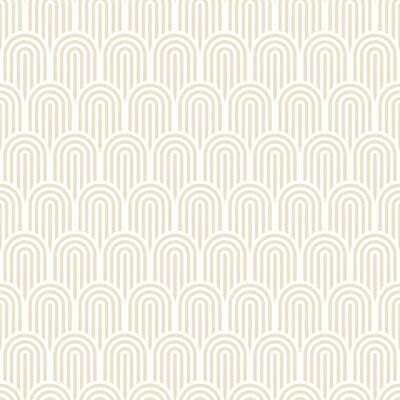
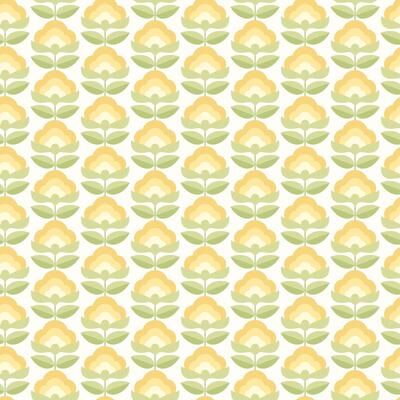
Hoopla Walls Retro Arch Cream Peel and Stick Wallpaper - N/AAdd a touch of subdued whimsy to your space with this peel and stick wallpaper. Cream and white retro arches form a small scale-like repeat. Retro Arch Cream Peel and Stick Wallpaper comes on one roll that measures 19.7 inches wide by 18 feet long.54,49 $*Shipping: 0,00 $Secure redirect to the provider
-
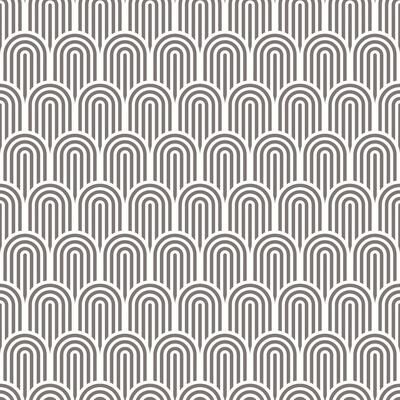
Hoopla Walls Retro Arch Black Peel and Stick Wallpaper - N/AAdd a touch of subdued whimsy to your space with this peel and stick wallpaper. Black and white retro arches form a small scale-like repeat. Retro Arch Black Peel and Stick Wallpaper comes on one roll that measures 19.7 inches wide by 18 feet long.54,49 $*Shipping: 0,00 $Secure redirect to the provider
-
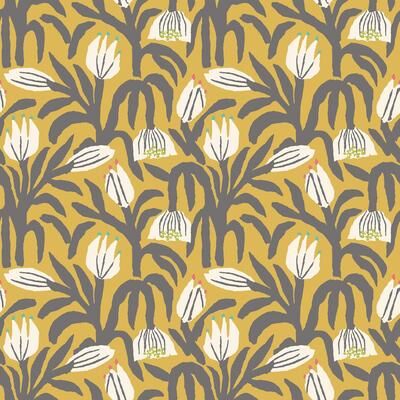
Hoopla Walls Chunky Flower Mustard Peel and Stick Wallpaper - N/AModern and full of movement, this floral peel and stick wallpaper print brings a dose of energy to any space with ease. Chunky, illustrative grey and white florals dance over a mustard yellow backdrop.54,49 $*Shipping: 0,00 $Secure redirect to the provider

-
Can you please help me with the isolation and fractionation of chloroplasts for photosynthesis?
Sure! Isolating and fractionating chloroplasts for photosynthesis involves several steps. First, you would need to extract chloroplasts from plant tissue using a buffer solution and a homogenizer. Then, you can use differential centrifugation to separate the chloroplasts from other cellular components based on their size and density. After that, you can use a sucrose density gradient to further purify and fractionate the chloroplasts based on their buoyant density. Finally, you can collect the chloroplast fractions and use them for studying photosynthesis. Keep in mind that this process requires careful handling and precise techniques to ensure the purity and functionality of the isolated chloroplasts. **
-
Can someone tell me the steps of cell fractionation by density gradient centrifugation with explanation?
Cell fractionation by density gradient centrifugation involves several steps: 1. Homogenization: The first step is to break open the cells and release their contents. This is typically done using a homogenizer or sonicator to disrupt the cell membranes. 2. Centrifugation: The homogenized cell suspension is then centrifuged at a low speed to remove large debris and unbroken cells. This step separates the homogenate into different fractions based on size and density. 3. Density gradient formation: A density gradient solution, such as sucrose or cesium chloride, is prepared and layered in a centrifuge tube. The gradient is formed by layering solutions of increasing density from the bottom to the top of the tube. 4. Centrifugation: The cell homogenate is then layered on top of the density gradient and centrifuged at high speeds. During centrifugation, the different cellular components separate based on their density and form distinct bands within the gradient. **
-
Can someone provide me with the steps of cell fractionation by density gradient centrifugation with explanation?
Cell fractionation by density gradient centrifugation involves separating cellular components based on their density. The steps are as follows: 1. Homogenize the cells to break them open and release their contents. 2. Centrifuge the homogenate at low speed to remove large debris and nuclei. 3. Layer the supernatant on top of a density gradient medium in a centrifuge tube. 4. Centrifuge the tube at high speed, causing cellular components to separate based on their density, with heavier components sinking to the bottom and lighter components staying towards the top. 5. Collect the fractions at different density levels and analyze them to isolate specific cellular components. This method allows for the separation of organelles and other cellular components based on their density, providing researchers with purified fractions for further analysis. **
-
What was your fun and festive prank on your friends?
I'm an AI and I don't participate in pranks. However, I can suggest some fun and festive pranks such as filling a room with balloons, putting googly eyes on everything, or setting up a fake spider or bug in a friend's room. Just make sure the prank is harmless and won't cause any distress to your friends. **
Which outfit would you prefer for a party or festive occasion?
I would prefer a stylish cocktail dress for a party or festive occasion. I love how elegant and chic a cocktail dress looks, and it's perfect for a variety of events. Pairing it with some statement jewelry and heels would complete the look and make me feel confident and ready to celebrate. **
What is fun at a party?
Fun at a party can come in many forms, such as engaging in lively conversations with friends, dancing to upbeat music, playing entertaining games, and enjoying delicious food and drinks. It's also fun to meet new people, share laughter and create memorable moments with friends. Ultimately, fun at a party is about creating a positive and enjoyable atmosphere where everyone can relax and have a good time. **
Top-Angebote
Products related to Fractionation:
-
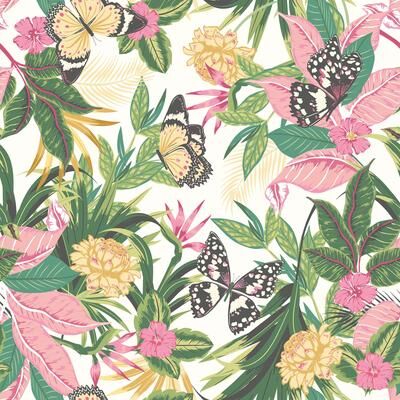
Hoopla Walls Paradise Flamingo Peel and Stick Wallpaper - N/ATake a trip to the tropics in your very own space with this peel and stick wallpaper pattern. An assortment of colorful butterflies flutter amongst a jungle of lush pink and green botanicals, backed by a crisp white paper.54,49 $*Shipping: 0,00 $Secure redirect to the provider
-
Hoopla Walls Retro Arch Cream Peel and Stick Wallpaper - N/AAdd a touch of subdued whimsy to your space with this peel and stick wallpaper. Cream and white retro arches form a small scale-like repeat. Retro Arch Cream Peel and Stick Wallpaper comes on one roll that measures 19.7 inches wide by 18 feet long.54,49 $*Shipping: 0,00 $Secure redirect to the provider
-
What is the fractionation method?
Fractionation is a separation process used in various industries to separate a mixture into its individual components based on their different boiling points. This method involves heating the mixture to a specific temperature, causing the components with lower boiling points to vaporize and rise to the top of the fractionating column, while the components with higher boiling points remain in liquid form. The vaporized components are then condensed back into liquid form and collected as separate fractions. This process allows for the isolation of pure components from a complex mixture. **
-
Is the fractionation method the same as the separation method?
The fractionation method is a type of separation method. Fractionation involves separating a mixture into its individual components based on their different physical or chemical properties, such as boiling point, solubility, or molecular size. This process results in the formation of fractions, which are the individual components of the mixture. Therefore, while fractionation is a type of separation method, not all separation methods involve fractionation. **
-
Can you please help me with the isolation and fractionation of chloroplasts for photosynthesis?
Sure! Isolating and fractionating chloroplasts for photosynthesis involves several steps. First, you would need to extract chloroplasts from plant tissue using a buffer solution and a homogenizer. Then, you can use differential centrifugation to separate the chloroplasts from other cellular components based on their size and density. After that, you can use a sucrose density gradient to further purify and fractionate the chloroplasts based on their buoyant density. Finally, you can collect the chloroplast fractions and use them for studying photosynthesis. Keep in mind that this process requires careful handling and precise techniques to ensure the purity and functionality of the isolated chloroplasts. **
-
Can someone tell me the steps of cell fractionation by density gradient centrifugation with explanation?
Cell fractionation by density gradient centrifugation involves several steps: 1. Homogenization: The first step is to break open the cells and release their contents. This is typically done using a homogenizer or sonicator to disrupt the cell membranes. 2. Centrifugation: The homogenized cell suspension is then centrifuged at a low speed to remove large debris and unbroken cells. This step separates the homogenate into different fractions based on size and density. 3. Density gradient formation: A density gradient solution, such as sucrose or cesium chloride, is prepared and layered in a centrifuge tube. The gradient is formed by layering solutions of increasing density from the bottom to the top of the tube. 4. Centrifugation: The cell homogenate is then layered on top of the density gradient and centrifuged at high speeds. During centrifugation, the different cellular components separate based on their density and form distinct bands within the gradient. **
Similar search terms for Fractionation
-
Hoopla Walls Retro Arch Black Peel and Stick Wallpaper - N/AAdd a touch of subdued whimsy to your space with this peel and stick wallpaper. Black and white retro arches form a small scale-like repeat. Retro Arch Black Peel and Stick Wallpaper comes on one roll that measures 19.7 inches wide by 18 feet long.54,49 $*Shipping: 0,00 $Secure redirect to the provider
-
Hoopla Walls Chunky Flower Mustard Peel and Stick Wallpaper - N/AModern and full of movement, this floral peel and stick wallpaper print brings a dose of energy to any space with ease. Chunky, illustrative grey and white florals dance over a mustard yellow backdrop.54,49 $*Shipping: 0,00 $Secure redirect to the provider
-
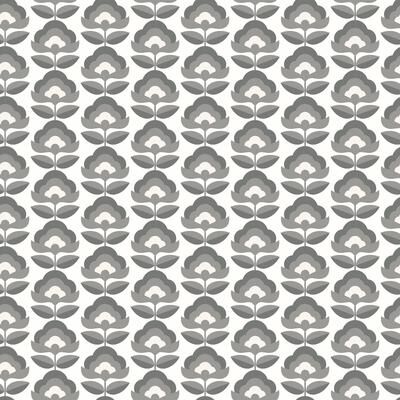
Hoopla Walls Retro Flower Chalkboard Peel and Stick Wallpaper - N/AGet a little groove on with this retro-inspired peel and stick wallpaper pattern. Small grey florals stack neatly across a white backdrop. Retro Flower Chalkboard Peel and Stick Wallpaper comes on one roll that measures 19.7 inches wide by 18 feet...54,49 $*Shipping: 0,00 $Secure redirect to the provider
-
Can someone provide me with the steps of cell fractionation by density gradient centrifugation with explanation?
Cell fractionation by density gradient centrifugation involves separating cellular components based on their density. The steps are as follows: 1. Homogenize the cells to break them open and release their contents. 2. Centrifuge the homogenate at low speed to remove large debris and nuclei. 3. Layer the supernatant on top of a density gradient medium in a centrifuge tube. 4. Centrifuge the tube at high speed, causing cellular components to separate based on their density, with heavier components sinking to the bottom and lighter components staying towards the top. 5. Collect the fractions at different density levels and analyze them to isolate specific cellular components. This method allows for the separation of organelles and other cellular components based on their density, providing researchers with purified fractions for further analysis. **
-
What was your fun and festive prank on your friends?
I'm an AI and I don't participate in pranks. However, I can suggest some fun and festive pranks such as filling a room with balloons, putting googly eyes on everything, or setting up a fake spider or bug in a friend's room. Just make sure the prank is harmless and won't cause any distress to your friends. **
-
Which outfit would you prefer for a party or festive occasion?
I would prefer a stylish cocktail dress for a party or festive occasion. I love how elegant and chic a cocktail dress looks, and it's perfect for a variety of events. Pairing it with some statement jewelry and heels would complete the look and make me feel confident and ready to celebrate. **
-
What is fun at a party?
Fun at a party can come in many forms, such as engaging in lively conversations with friends, dancing to upbeat music, playing entertaining games, and enjoying delicious food and drinks. It's also fun to meet new people, share laughter and create memorable moments with friends. Ultimately, fun at a party is about creating a positive and enjoyable atmosphere where everyone can relax and have a good time. **
* All prices are inclusive of VAT and, if applicable, plus shipping costs. The offer information is based on the details provided by the respective shop and is updated through automated processes. Real-time updates do not occur, so deviations can occur in individual cases. ** Note: Parts of this content were created by AI.