Buy hoopla-hoopla.eu ?
We are moving the project
hoopla-hoopla.eu .
Are you interested in purchasing the domain
hoopla-hoopla.eu ?
domain@kv-gmbh.de · 0541-91531010
Buy hoopla-hoopla.eu ?
What is an antiderivative?
An antiderivative is the reverse process of differentiation. It is a function that, when differentiated, gives the original function. In other words, it is the function whose derivative is the given function. Antiderivatives are used in calculus to find the original function when only the derivative is known. **
Is the antiderivative correct?
Without seeing the specific antiderivative in question, it is difficult to determine its correctness. However, to check if an antiderivative is correct, one can differentiate it and see if the result matches the original function. If the differentiation yields the original function, then the antiderivative is correct. It is also important to consider any constant terms that may be added when finding the antiderivative. **

Similar search terms for Antiderivative
Top-Angebote
Products related to Antiderivative:
-
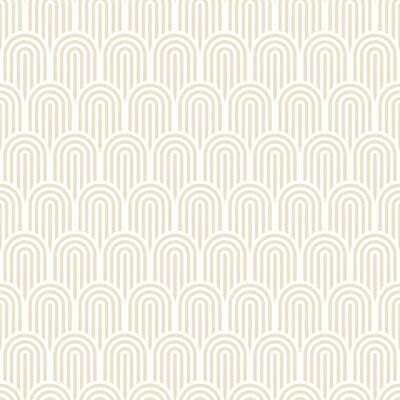
Hoopla Walls Retro Arch Cream Peel and Stick Wallpaper - N/AAdd a touch of subdued whimsy to your space with this peel and stick wallpaper. Cream and white retro arches form a small scale-like repeat. Retro Arch Cream Peel and Stick Wallpaper comes on one roll that measures 19.7 inches wide by 18 feet long.54,49 $*Shipping: 0,00 $Secure redirect to the provider
-
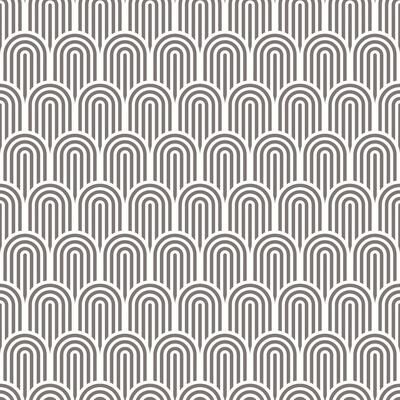
Hoopla Walls Retro Arch Black Peel and Stick Wallpaper - N/AAdd a touch of subdued whimsy to your space with this peel and stick wallpaper. Black and white retro arches form a small scale-like repeat. Retro Arch Black Peel and Stick Wallpaper comes on one roll that measures 19.7 inches wide by 18 feet long.54,49 $*Shipping: 0,00 $Secure redirect to the provider
-
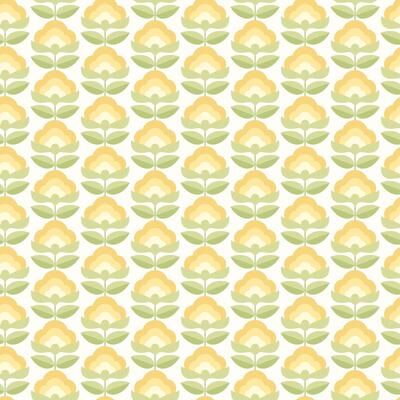
Hoopla Walls Chunky Flower Mustard Peel and Stick Wallpaper - N/AModern and full of movement, this floral peel and stick wallpaper print brings a dose of energy to any space with ease. Chunky, illustrative grey and white florals dance over a mustard yellow backdrop.54,49 $*Shipping: 0,00 $Secure redirect to the provider


-
Does anyone know the antiderivative?
The antiderivative of a function is not always known, as it can be complex and may not have a simple closed-form expression. In many cases, the antiderivative can be found using integration techniques, but there are functions for which the antiderivative cannot be expressed in terms of elementary functions. In such cases, numerical methods or approximation techniques may be used to find an approximate solution. **
-
Is every antiderivative continuously differentiable?
No, not every antiderivative is continuously differentiable. While every antiderivative of a continuous function is continuous, it may not necessarily be continuously differentiable. For example, the antiderivative of the absolute value function, which is not continuously differentiable at the point where the function changes direction, is not continuously differentiable. Therefore, it is important to note that while antiderivatives are always continuous, they may not always be continuously differentiable. **
-
What is the antiderivative of 7?
The antiderivative of 7 is 7x + C, where C is the constant of integration. This is because the antiderivative of a constant is the constant times x, where x is the variable of integration. In this case, the constant is 7, so the antiderivative is 7x. **
-
What is the antiderivative of 3?
The antiderivative of 3 is 3x + C, where C is the constant of integration. This is because the antiderivative of a constant is the constant multiplied by x, with an additional constant term. In this case, the constant is 3, so the antiderivative is 3x + C. **
How do I determine an antiderivative?
To determine an antiderivative of a function, you need to find a function whose derivative is equal to the given function. This process is known as integration. There are various integration techniques that can be used depending on the complexity of the function. Some common techniques include power rule, substitution, integration by parts, trigonometric substitution, and partial fractions. It is important to practice and familiarize yourself with these techniques in order to effectively determine antiderivatives. **
How do you solve this antiderivative?
To solve an antiderivative, you need to find the original function that, when differentiated, gives you the given function. This involves reversing the process of differentiation. You can use integration techniques such as substitution, integration by parts, trigonometric identities, or partial fractions to find the antiderivative. It's important to remember to include the constant of integration when solving antiderivatives. **
Top-Angebote
Products related to Antiderivative:
-
Hoopla Walls Paradise Flamingo Peel and Stick Wallpaper - N/ATake a trip to the tropics in your very own space with this peel and stick wallpaper pattern. An assortment of colorful butterflies flutter amongst a jungle of lush pink and green botanicals, backed by a crisp white paper.54,49 $*Shipping: 0,00 $Secure redirect to the provider
-
Hoopla Walls Retro Arch Cream Peel and Stick Wallpaper - N/AAdd a touch of subdued whimsy to your space with this peel and stick wallpaper. Cream and white retro arches form a small scale-like repeat. Retro Arch Cream Peel and Stick Wallpaper comes on one roll that measures 19.7 inches wide by 18 feet long.54,49 $*Shipping: 0,00 $Secure redirect to the provider
-
What is an antiderivative?
An antiderivative is the reverse process of differentiation. It is a function that, when differentiated, gives the original function. In other words, it is the function whose derivative is the given function. Antiderivatives are used in calculus to find the original function when only the derivative is known. **
-
Is the antiderivative correct?
Without seeing the specific antiderivative in question, it is difficult to determine its correctness. However, to check if an antiderivative is correct, one can differentiate it and see if the result matches the original function. If the differentiation yields the original function, then the antiderivative is correct. It is also important to consider any constant terms that may be added when finding the antiderivative. **
-
Does anyone know the antiderivative?
The antiderivative of a function is not always known, as it can be complex and may not have a simple closed-form expression. In many cases, the antiderivative can be found using integration techniques, but there are functions for which the antiderivative cannot be expressed in terms of elementary functions. In such cases, numerical methods or approximation techniques may be used to find an approximate solution. **
-
Is every antiderivative continuously differentiable?
No, not every antiderivative is continuously differentiable. While every antiderivative of a continuous function is continuous, it may not necessarily be continuously differentiable. For example, the antiderivative of the absolute value function, which is not continuously differentiable at the point where the function changes direction, is not continuously differentiable. Therefore, it is important to note that while antiderivatives are always continuous, they may not always be continuously differentiable. **
Similar search terms for Antiderivative
-
Hoopla Walls Retro Arch Black Peel and Stick Wallpaper - N/AAdd a touch of subdued whimsy to your space with this peel and stick wallpaper. Black and white retro arches form a small scale-like repeat. Retro Arch Black Peel and Stick Wallpaper comes on one roll that measures 19.7 inches wide by 18 feet long.54,49 $*Shipping: 0,00 $Secure redirect to the provider
-
Hoopla Walls Chunky Flower Mustard Peel and Stick Wallpaper - N/AModern and full of movement, this floral peel and stick wallpaper print brings a dose of energy to any space with ease. Chunky, illustrative grey and white florals dance over a mustard yellow backdrop.54,49 $*Shipping: 0,00 $Secure redirect to the provider
-
Hoopla Walls Retro Flower Chalkboard Peel and Stick Wallpaper - N/AGet a little groove on with this retro-inspired peel and stick wallpaper pattern. Small grey florals stack neatly across a white backdrop. Retro Flower Chalkboard Peel and Stick Wallpaper comes on one roll that measures 19.7 inches wide by 18 feet...54,49 $*Shipping: 0,00 $Secure redirect to the provider
-
What is the antiderivative of 7?
The antiderivative of 7 is 7x + C, where C is the constant of integration. This is because the antiderivative of a constant is the constant times x, where x is the variable of integration. In this case, the constant is 7, so the antiderivative is 7x. **
-
What is the antiderivative of 3?
The antiderivative of 3 is 3x + C, where C is the constant of integration. This is because the antiderivative of a constant is the constant multiplied by x, with an additional constant term. In this case, the constant is 3, so the antiderivative is 3x + C. **
-
How do I determine an antiderivative?
To determine an antiderivative of a function, you need to find a function whose derivative is equal to the given function. This process is known as integration. There are various integration techniques that can be used depending on the complexity of the function. Some common techniques include power rule, substitution, integration by parts, trigonometric substitution, and partial fractions. It is important to practice and familiarize yourself with these techniques in order to effectively determine antiderivatives. **
-
How do you solve this antiderivative?
To solve an antiderivative, you need to find the original function that, when differentiated, gives you the given function. This involves reversing the process of differentiation. You can use integration techniques such as substitution, integration by parts, trigonometric identities, or partial fractions to find the antiderivative. It's important to remember to include the constant of integration when solving antiderivatives. **
* All prices are inclusive of VAT and, if applicable, plus shipping costs. The offer information is based on the details provided by the respective shop and is updated through automated processes. Real-time updates do not occur, so deviations can occur in individual cases. ** Note: Parts of this content were created by AI.