Buy hoopla-hoopla.eu ?
We are moving the project
hoopla-hoopla.eu .
Are you interested in purchasing the domain
hoopla-hoopla.eu ?
domain@kv-gmbh.de · 0541-91531010
Buy hoopla-hoopla.eu ?
How is avoir formed?
The verb "avoir" is formed in the present tense by conjugating the verb as follows: j'ai (I have), tu as (you have), il/elle/on a (he/she/it has), nous avons (we have), vous avez (you have), ils/elles ont (they have). In the past tense, "avoir" is formed by using the auxiliary verb "avoir" followed by the past participle of the main verb. For example, "j'ai eu" (I had), "tu as eu" (you had), "il/elle/on a eu" (he/she/it had), "nous avons eu" (we had), "vous avez eu" (you had), "ils/elles ont eu" (they had). **
When do you conjugate "avoir"?
The verb "avoir" is conjugated when talking about possession or to form compound tenses such as the passé composé. In these cases, "avoir" is conjugated according to the subject of the sentence. For example, "J'ai un chat" (I have a cat) or "Nous avons mangé" (We have eaten). **

Similar search terms for Avoir
Top-Angebote
Products related to Avoir:
-
Hoopla Walls Retro Arch Cream Peel and Stick Wallpaper - N/AAdd a touch of subdued whimsy to your space with this peel and stick wallpaper. Cream and white retro arches form a small scale-like repeat. Retro Arch Cream Peel and Stick Wallpaper comes on one roll that measures 19.7 inches wide by 18 feet long.54,49 $*Shipping: 0,00 $Secure redirect to the provider
-
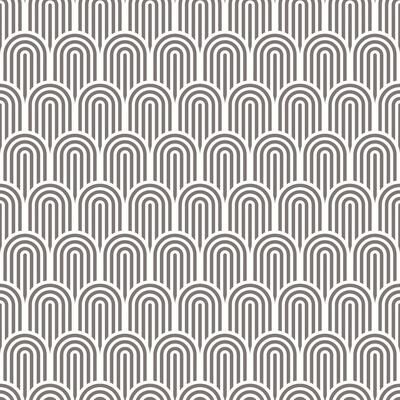
Hoopla Walls Retro Arch Black Peel and Stick Wallpaper - N/AAdd a touch of subdued whimsy to your space with this peel and stick wallpaper. Black and white retro arches form a small scale-like repeat. Retro Arch Black Peel and Stick Wallpaper comes on one roll that measures 19.7 inches wide by 18 feet long.54,49 $*Shipping: 0,00 $Secure redirect to the provider
-
Hoopla Walls Chunky Flower Mustard Peel and Stick Wallpaper - N/AModern and full of movement, this floral peel and stick wallpaper print brings a dose of energy to any space with ease. Chunky, illustrative grey and white florals dance over a mustard yellow backdrop.54,49 $*Shipping: 0,00 $Secure redirect to the provider



-
What are the forms of avoir?
The forms of the verb "avoir" in French are: j'ai (I have), tu as (you have), il/elle/on a (he/she/it has), nous avons (we have), vous avez (you have), ils/elles ont (they have). These forms are used to express possession or to form compound tenses such as the passé composé. "Avoir" is an irregular verb in French and is one of the most commonly used verbs in the language. **
-
Does "Passer" use "avoir" or "être"?
"Passer" uses the auxiliary verb "avoir" in compound tenses. For example, in the passé composé, you would say "j'ai passé" (I have passed) using the verb "avoir" as the auxiliary. **
-
Can you help me conjugate avoir?
Sure! The verb "avoir" is conjugated as follows: - J'ai (I have) - Tu as (You have) - Il/Elle/On a (He/She/One has) - Nous avons (We have) - Vous avez (You have) - Ils/Elles ont (They have) **
-
When are the following verbs used with "avoir"?
The following verbs are used with "avoir" when they are in the past tense. This includes actions that have been completed in the past, such as "j'ai mangé" (I ate), "tu as parlé" (you spoke), and "il a joué" (he played). These verbs indicate actions that have already happened and are no longer ongoing. **

When do you equate the PC with avoir?
I equate the PC with avoir when the verb in the passé composé is formed using the auxiliary verb "avoir" and the past participle of the main verb. This occurs when the action expressed by the main verb is performed by the subject of the sentence and does not involve a state of being or motion. For example, "J'ai mangé" (I ate) or "Elle a parlé" (She spoke) both use the auxiliary verb "avoir" to form the passé composé. **
When is the subjunctive used after avoir besoin de?
The subjunctive is used after "avoir besoin de" when the subject of the main clause is different from the subject of the dependent clause. This is because "avoir besoin de" expresses a need or desire, which can create a sense of doubt or uncertainty. For example, "J'ai besoin que tu viennes" (I need you to come) uses the subjunctive because the subject of the main clause (je) is different from the subject of the dependent clause (tu). **
Top-Angebote
Products related to Avoir:
-
Hoopla Walls Paradise Flamingo Peel and Stick Wallpaper - N/ATake a trip to the tropics in your very own space with this peel and stick wallpaper pattern. An assortment of colorful butterflies flutter amongst a jungle of lush pink and green botanicals, backed by a crisp white paper.54,49 $*Shipping: 0,00 $Secure redirect to the provider
-
Hoopla Walls Retro Arch Cream Peel and Stick Wallpaper - N/AAdd a touch of subdued whimsy to your space with this peel and stick wallpaper. Cream and white retro arches form a small scale-like repeat. Retro Arch Cream Peel and Stick Wallpaper comes on one roll that measures 19.7 inches wide by 18 feet long.54,49 $*Shipping: 0,00 $Secure redirect to the provider
-
How is avoir formed?
The verb "avoir" is formed in the present tense by conjugating the verb as follows: j'ai (I have), tu as (you have), il/elle/on a (he/she/it has), nous avons (we have), vous avez (you have), ils/elles ont (they have). In the past tense, "avoir" is formed by using the auxiliary verb "avoir" followed by the past participle of the main verb. For example, "j'ai eu" (I had), "tu as eu" (you had), "il/elle/on a eu" (he/she/it had), "nous avons eu" (we had), "vous avez eu" (you had), "ils/elles ont eu" (they had). **
-
When do you conjugate "avoir"?
The verb "avoir" is conjugated when talking about possession or to form compound tenses such as the passé composé. In these cases, "avoir" is conjugated according to the subject of the sentence. For example, "J'ai un chat" (I have a cat) or "Nous avons mangé" (We have eaten). **
-
What are the forms of avoir?
The forms of the verb "avoir" in French are: j'ai (I have), tu as (you have), il/elle/on a (he/she/it has), nous avons (we have), vous avez (you have), ils/elles ont (they have). These forms are used to express possession or to form compound tenses such as the passé composé. "Avoir" is an irregular verb in French and is one of the most commonly used verbs in the language. **
-
Does "Passer" use "avoir" or "être"?
"Passer" uses the auxiliary verb "avoir" in compound tenses. For example, in the passé composé, you would say "j'ai passé" (I have passed) using the verb "avoir" as the auxiliary. **
Similar search terms for Avoir
-
Hoopla Walls Retro Arch Black Peel and Stick Wallpaper - N/AAdd a touch of subdued whimsy to your space with this peel and stick wallpaper. Black and white retro arches form a small scale-like repeat. Retro Arch Black Peel and Stick Wallpaper comes on one roll that measures 19.7 inches wide by 18 feet long.54,49 $*Shipping: 0,00 $Secure redirect to the provider
-
Hoopla Walls Chunky Flower Mustard Peel and Stick Wallpaper - N/AModern and full of movement, this floral peel and stick wallpaper print brings a dose of energy to any space with ease. Chunky, illustrative grey and white florals dance over a mustard yellow backdrop.54,49 $*Shipping: 0,00 $Secure redirect to the provider
-
Hoopla Walls Retro Flower Chalkboard Peel and Stick Wallpaper - N/AGet a little groove on with this retro-inspired peel and stick wallpaper pattern. Small grey florals stack neatly across a white backdrop. Retro Flower Chalkboard Peel and Stick Wallpaper comes on one roll that measures 19.7 inches wide by 18 feet...54,49 $*Shipping: 0,00 $Secure redirect to the provider
-
Can you help me conjugate avoir?
Sure! The verb "avoir" is conjugated as follows: - J'ai (I have) - Tu as (You have) - Il/Elle/On a (He/She/One has) - Nous avons (We have) - Vous avez (You have) - Ils/Elles ont (They have) **
-
When are the following verbs used with "avoir"?
The following verbs are used with "avoir" when they are in the past tense. This includes actions that have been completed in the past, such as "j'ai mangé" (I ate), "tu as parlé" (you spoke), and "il a joué" (he played). These verbs indicate actions that have already happened and are no longer ongoing. **
-
When do you equate the PC with avoir?
I equate the PC with avoir when the verb in the passé composé is formed using the auxiliary verb "avoir" and the past participle of the main verb. This occurs when the action expressed by the main verb is performed by the subject of the sentence and does not involve a state of being or motion. For example, "J'ai mangé" (I ate) or "Elle a parlé" (She spoke) both use the auxiliary verb "avoir" to form the passé composé. **
-
When is the subjunctive used after avoir besoin de?
The subjunctive is used after "avoir besoin de" when the subject of the main clause is different from the subject of the dependent clause. This is because "avoir besoin de" expresses a need or desire, which can create a sense of doubt or uncertainty. For example, "J'ai besoin que tu viennes" (I need you to come) uses the subjunctive because the subject of the main clause (je) is different from the subject of the dependent clause (tu). **
* All prices are inclusive of VAT and, if applicable, plus shipping costs. The offer information is based on the details provided by the respective shop and is updated through automated processes. Real-time updates do not occur, so deviations can occur in individual cases. ** Note: Parts of this content were created by AI.