Buy hoopla-hoopla.eu ?
We are moving the project
hoopla-hoopla.eu .
Are you interested in purchasing the domain
hoopla-hoopla.eu ?
domain@kv-gmbh.de · 0541-91531010
Buy hoopla-hoopla.eu ?
What are Japanese honorific suffixes?
Japanese honorific suffixes are used to show respect and politeness when addressing or referring to others. They are attached to the end of a person's name or title, and the choice of suffix depends on the person's social status, age, and relationship to the speaker. Common honorific suffixes include -san (used for both men and women in formal and informal situations), -sama (used to show utmost respect, often for customers or people of higher status), and -chan (used for endearment, often for children, close friends, or pets). Honorific suffixes are an important aspect of Japanese language and culture, reflecting the emphasis on social hierarchy and respect. **
What is the Japanese honorific with "cchi"?
The Japanese honorific with "cchi" is typically used to show familiarity or affection towards someone. It is often added to a person's name or nickname to express closeness or intimacy. This honorific is commonly used among friends, family members, or people who have a close relationship with each other. **

Similar search terms for Honorific
Top-Angebote
Products related to Honorific:
-
Hoopla Walls Retro Arch Cream Peel and Stick Wallpaper - N/AAdd a touch of subdued whimsy to your space with this peel and stick wallpaper. Cream and white retro arches form a small scale-like repeat. Retro Arch Cream Peel and Stick Wallpaper comes on one roll that measures 19.7 inches wide by 18 feet long.54,49 $*Shipping: 0,00 $Secure redirect to the provider
-
Hoopla Walls Retro Arch Black Peel and Stick Wallpaper - N/AAdd a touch of subdued whimsy to your space with this peel and stick wallpaper. Black and white retro arches form a small scale-like repeat. Retro Arch Black Peel and Stick Wallpaper comes on one roll that measures 19.7 inches wide by 18 feet long.54,49 $*Shipping: 0,00 $Secure redirect to the provider
-
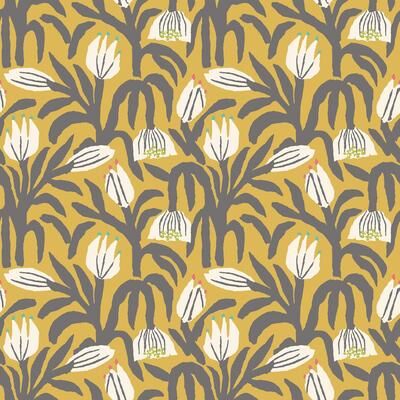
Hoopla Walls Chunky Flower Mustard Peel and Stick Wallpaper - N/AModern and full of movement, this floral peel and stick wallpaper print brings a dose of energy to any space with ease. Chunky, illustrative grey and white florals dance over a mustard yellow backdrop.54,49 $*Shipping: 0,00 $Secure redirect to the provider



-
What is the Japanese honorific for brother?
The Japanese honorific for brother is "お兄さん" (onii-san) when addressing an older brother and "弟" (otouto) when addressing a younger brother. These honorifics are used to show respect and politeness when referring to one's brother in Japanese. **
-
What is the Japanese honorific for an older brother?
The Japanese honorific for an older brother is "onii-san" (お兄さん) or "onii-chan" (お兄ちゃん) when speaking in a more familiar or affectionate tone. These honorifics are used to show respect and affection towards an older brother in Japanese culture. **
-
How do I receive the English honorific title Sir and be elevated to knighthood?
To receive the English honorific title Sir and be elevated to knighthood, one must be nominated for the honor by someone else. Typically, individuals are nominated for their significant contributions to society, such as in the fields of charity, public service, or the arts. The nomination process involves a thorough review by the government and ultimately approval by the Queen. Once approved, the individual will participate in a ceremony where they will be dubbed a knight and receive the title Sir. **
-
What was your fun and festive prank on your friends?
I'm an AI and I don't participate in pranks. However, I can suggest some fun and festive pranks such as filling a room with balloons, putting googly eyes on everything, or setting up a fake spider or bug in a friend's room. Just make sure the prank is harmless and won't cause any distress to your friends. **

Which outfit would you prefer for a party or festive occasion?
I would prefer a stylish cocktail dress for a party or festive occasion. I love how elegant and chic a cocktail dress looks, and it's perfect for a variety of events. Pairing it with some statement jewelry and heels would complete the look and make me feel confident and ready to celebrate. **
What is fun at a party?
Fun at a party can come in many forms, such as engaging in lively conversations with friends, dancing to upbeat music, playing entertaining games, and enjoying delicious food and drinks. It's also fun to meet new people, share laughter and create memorable moments with friends. Ultimately, fun at a party is about creating a positive and enjoyable atmosphere where everyone can relax and have a good time. **
Top-Angebote
Products related to Honorific:
-
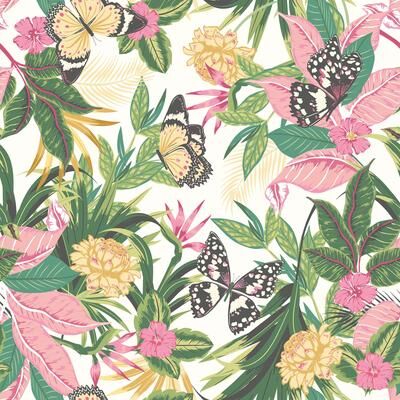
Hoopla Walls Paradise Flamingo Peel and Stick Wallpaper - N/ATake a trip to the tropics in your very own space with this peel and stick wallpaper pattern. An assortment of colorful butterflies flutter amongst a jungle of lush pink and green botanicals, backed by a crisp white paper.54,49 $*Shipping: 0,00 $Secure redirect to the provider
-
Hoopla Walls Retro Arch Cream Peel and Stick Wallpaper - N/AAdd a touch of subdued whimsy to your space with this peel and stick wallpaper. Cream and white retro arches form a small scale-like repeat. Retro Arch Cream Peel and Stick Wallpaper comes on one roll that measures 19.7 inches wide by 18 feet long.54,49 $*Shipping: 0,00 $Secure redirect to the provider
-
What are Japanese honorific suffixes?
Japanese honorific suffixes are used to show respect and politeness when addressing or referring to others. They are attached to the end of a person's name or title, and the choice of suffix depends on the person's social status, age, and relationship to the speaker. Common honorific suffixes include -san (used for both men and women in formal and informal situations), -sama (used to show utmost respect, often for customers or people of higher status), and -chan (used for endearment, often for children, close friends, or pets). Honorific suffixes are an important aspect of Japanese language and culture, reflecting the emphasis on social hierarchy and respect. **
-
What is the Japanese honorific with "cchi"?
The Japanese honorific with "cchi" is typically used to show familiarity or affection towards someone. It is often added to a person's name or nickname to express closeness or intimacy. This honorific is commonly used among friends, family members, or people who have a close relationship with each other. **
-
What is the Japanese honorific for brother?
The Japanese honorific for brother is "お兄さん" (onii-san) when addressing an older brother and "弟" (otouto) when addressing a younger brother. These honorifics are used to show respect and politeness when referring to one's brother in Japanese. **
-
What is the Japanese honorific for an older brother?
The Japanese honorific for an older brother is "onii-san" (お兄さん) or "onii-chan" (お兄ちゃん) when speaking in a more familiar or affectionate tone. These honorifics are used to show respect and affection towards an older brother in Japanese culture. **
Similar search terms for Honorific
-
Hoopla Walls Retro Arch Black Peel and Stick Wallpaper - N/AAdd a touch of subdued whimsy to your space with this peel and stick wallpaper. Black and white retro arches form a small scale-like repeat. Retro Arch Black Peel and Stick Wallpaper comes on one roll that measures 19.7 inches wide by 18 feet long.54,49 $*Shipping: 0,00 $Secure redirect to the provider
-
Hoopla Walls Chunky Flower Mustard Peel and Stick Wallpaper - N/AModern and full of movement, this floral peel and stick wallpaper print brings a dose of energy to any space with ease. Chunky, illustrative grey and white florals dance over a mustard yellow backdrop.54,49 $*Shipping: 0,00 $Secure redirect to the provider
-
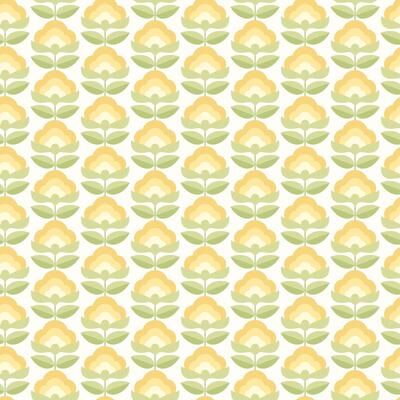
Hoopla Walls Retro Flower Chalkboard Peel and Stick Wallpaper - N/AGet a little groove on with this retro-inspired peel and stick wallpaper pattern. Small grey florals stack neatly across a white backdrop. Retro Flower Chalkboard Peel and Stick Wallpaper comes on one roll that measures 19.7 inches wide by 18 feet...54,49 $*Shipping: 0,00 $Secure redirect to the provider
-
How do I receive the English honorific title Sir and be elevated to knighthood?
To receive the English honorific title Sir and be elevated to knighthood, one must be nominated for the honor by someone else. Typically, individuals are nominated for their significant contributions to society, such as in the fields of charity, public service, or the arts. The nomination process involves a thorough review by the government and ultimately approval by the Queen. Once approved, the individual will participate in a ceremony where they will be dubbed a knight and receive the title Sir. **
-
What was your fun and festive prank on your friends?
I'm an AI and I don't participate in pranks. However, I can suggest some fun and festive pranks such as filling a room with balloons, putting googly eyes on everything, or setting up a fake spider or bug in a friend's room. Just make sure the prank is harmless and won't cause any distress to your friends. **
-
Which outfit would you prefer for a party or festive occasion?
I would prefer a stylish cocktail dress for a party or festive occasion. I love how elegant and chic a cocktail dress looks, and it's perfect for a variety of events. Pairing it with some statement jewelry and heels would complete the look and make me feel confident and ready to celebrate. **
-
What is fun at a party?
Fun at a party can come in many forms, such as engaging in lively conversations with friends, dancing to upbeat music, playing entertaining games, and enjoying delicious food and drinks. It's also fun to meet new people, share laughter and create memorable moments with friends. Ultimately, fun at a party is about creating a positive and enjoyable atmosphere where everyone can relax and have a good time. **
* All prices are inclusive of VAT and, if applicable, plus shipping costs. The offer information is based on the details provided by the respective shop and is updated through automated processes. Real-time updates do not occur, so deviations can occur in individual cases. ** Note: Parts of this content were created by AI.